How to Identify a Solar Connector: A Comprehensive Guide
If you’re interested in setting up a solar system, it’s important to understand how to identify the correct type of solar connector.
There are four points for you to consider:
1. Types of Solar Connectors
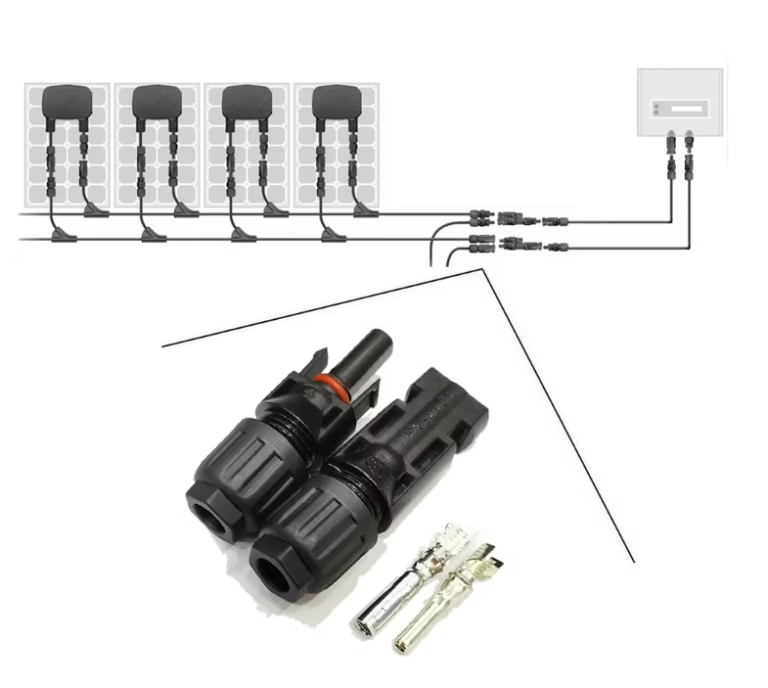
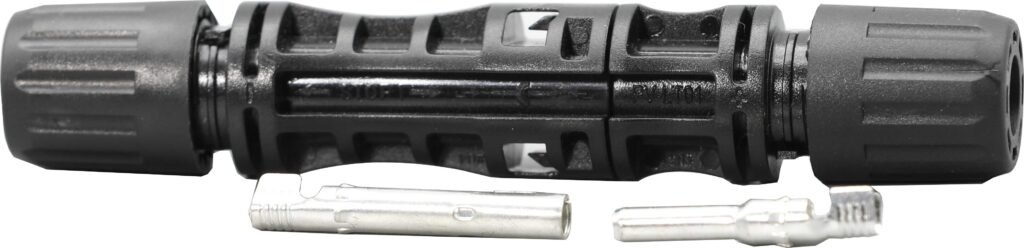
There are two types of solar connectors: male and female. Male connectors have pins that go into the socket of the female connector. Female connectors have a socket that receives the male connector’s pins.
2. Connector Shape
Solar connectors come in different shapes, which include MC4,Y type, T type. MC4 connectors are the most commonly used type in residential solar systems. They are easy to install and have a high level of compatibility, making them a popular choice for DIY enthusiasts.
3. Connector Rating
Each solar connector comes with a rating that indicates the maximum voltage it can handle. The rating should be considered when selecting a solar connector.
4. Connector Quality
It’s essential to choose high-quality solar connectors to ensure your solar system operates efficiently. Low-quality connectors may cause the system to fail over time. Look for connectors that have certifications to ensure they meet industry standards.