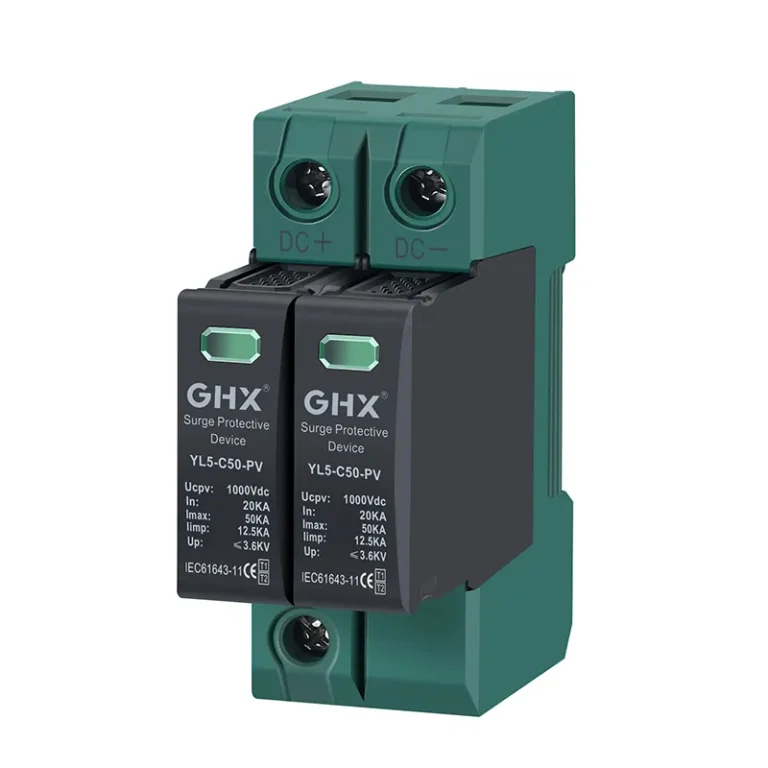
In spite of the high lightning risk that many PV installations are exposed to, they can be protected by the application of DC SPDs and a properly engineered lightning protection system. Effective DC SPD implementation should include the following considerations:
•Correct placement in the system
•Termination requirements
•Proper grounding and bonding of the equipment-ground system
•Discharge rating
•Voltage protection level
•Suitability for the system in question, including dc versus ac applications
•Failure mode
•Local and remote status indication
•Easily replaceable modules
•Normal system function should be unaffected, specifically on non-power systems
Surge protective devices, also known as SPDs, play a crucial role in protecting electrical equipment from power surges and other electrical disturbances. SPDs come in different shapes and sizes, and it can be challenging to identify them, especially if you are not familiar with electrical equipment. Then, how do I identify a surge protective device? […]
To protect an electrical installation in a building, simple rules apply for the choice of 1. SPD(s); 2. its protection system. For a power distribution system, the main characteristics used to define the lightning protection system and select a SPD to protect an electrical installation in a building are: 1. SPD 1.1 quantity of SPD 1.2 type 1.3level of exposure […]
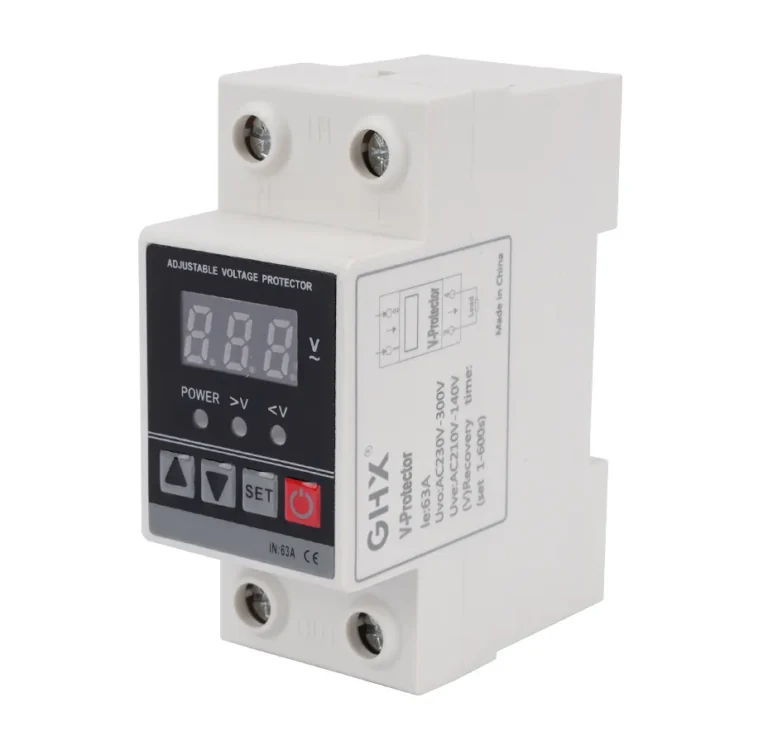
Voltage protection is an important electrical protection method that aims to ensure that equipment in the power system can operate safely when the voltage is abnormal. When the voltage in the power system is too high or too low, exceeding the range that the equipment can withstand, the voltage protection will trigger the protection mechanism and […]
We use cookies to enhance your browsing experience, serve personalised ads or content, and analyse our traffic. By clicking "Accept All", you consent to our use of cookies.