A Look into the Design of Solar Connectors
As the world moves towards renewable energy sources, solar power has become increasingly popular. Homeowners and businesses alike are investing in solar panel systems to reduce their carbon footprint and save money on energy bills. But have you ever wondered about the components that make up a solar panel system? In this article, we will take a closer look at the design ofsolar connectors.
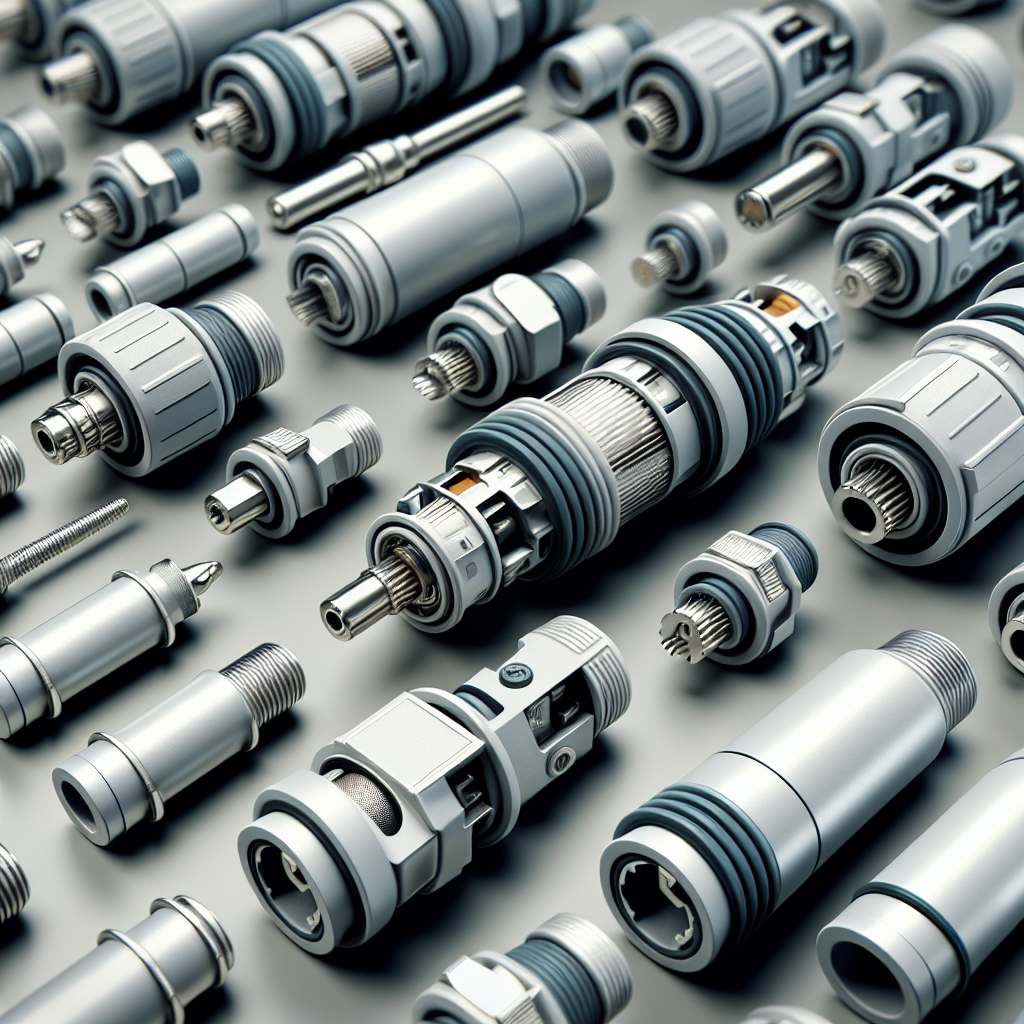
So, how are solar connectors designed? Solar connectors, also known as PV connectors, are specifically designed for the solar industry. They are used to connect the solar panels to the wires that transfer energy to the inverter. Hence, a solar connector must be durable enough to withstand harsh outdoor conditions, and efficient enough to conduct electrical energy effectively.
The design of a solar connector considers various factors such as weather conditions, cable thickness, and ease of use. Let’s take a closer look at those factors.
1. Weather Conditions
A solar connector operates in outdoor conditions, which includes exposure to sunlight, high wind, and rain. Therefore, the connector must be waterproof and UV resistant. This is why solar connectors are usually made of durable materials such as polycarbonate and TPE (thermoplastic elastomer). These materials offer a high level of resistance to harsh outdoor conditions ensuring that the connector continues to function effectively over time.
2. Cable Thickness
The cable thickness is also an important factor to consider when designing solar connectors. Most solar panel systems have cables of different thicknesses depending on the specific application. Hence, a solar connector must be able to cater to different cable thicknesses. One universal connector cannot be used for all cable sizes. This is why solar connectors come in different sizes, ranging from 14-10 AWG (American Wire Gauge).
3. Ease of Use
The ease of use of a solar connector is also very important. The connector must be designed in such a manner that it is easy to connect and disconnect. This makes it easier for installers to get the job done in a timely manner. Moreover, if there is a need to repair or replace damaged parts, the connector should be easy to disconnect and reconnect.
In conclusion, solar connectors are essential components used in solar panel systems. They play a crucial role in ensuring that energy is efficiently transferred to the inverter. A solar connector must be designed to withstand outdoor conditions, cater to different cable thicknesses, and be easy to use. All these factors contribute to higher efficiency and better performance of a solar panel system.