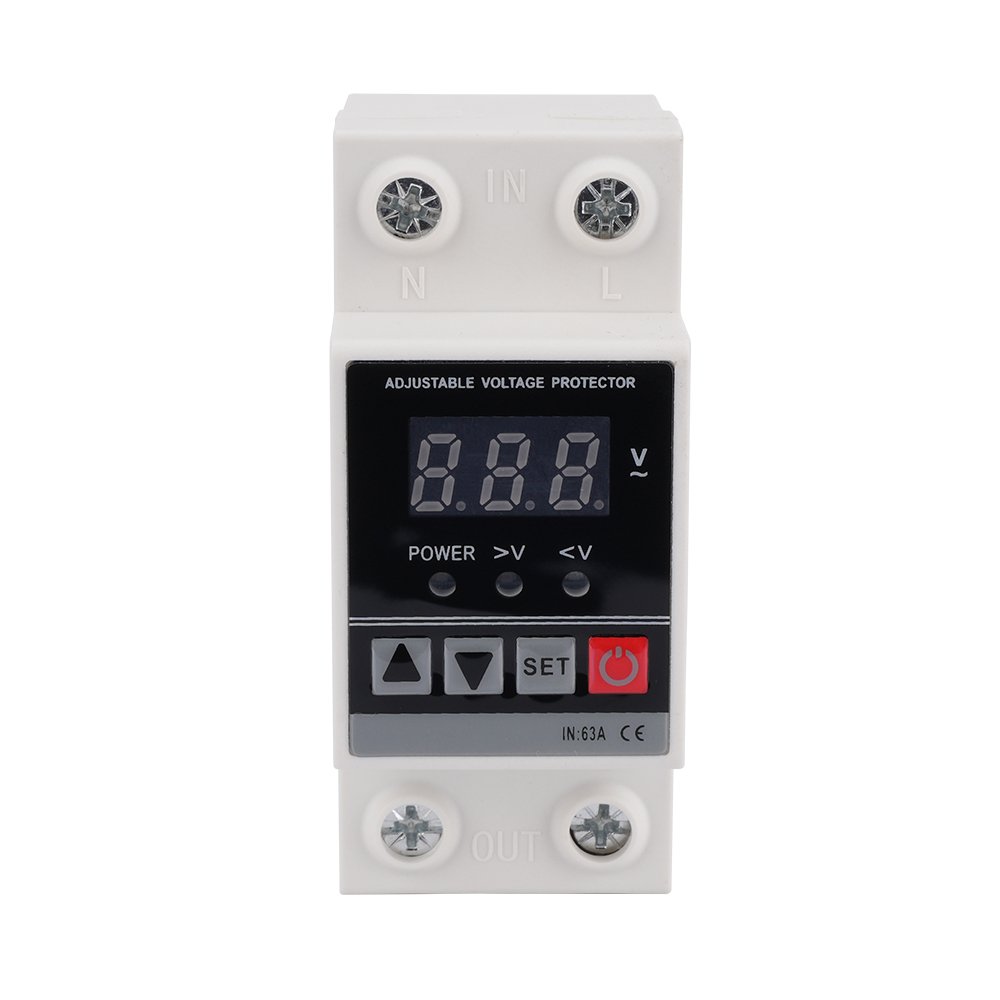
In lightning protection products, surge protectors and arresters are widely used. Both are important components to protect electronic equipment. There are also fundamental differences. Let us first see what these two lightning protection products are.
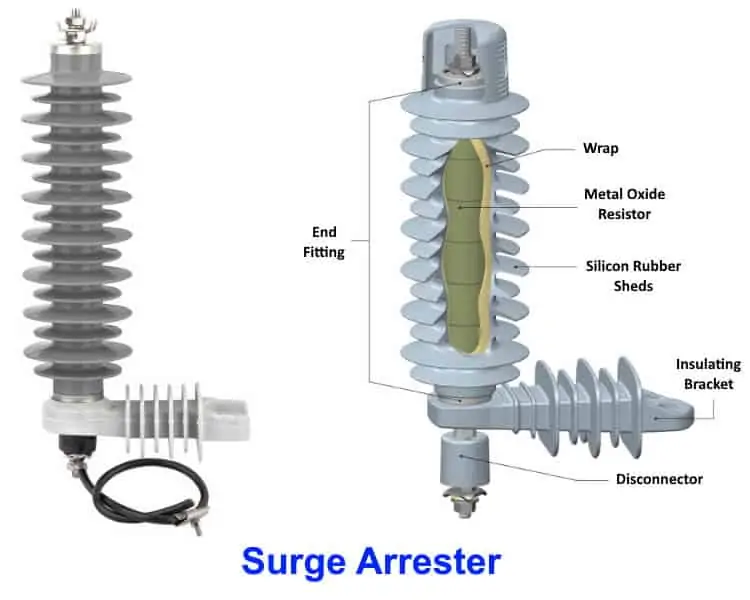
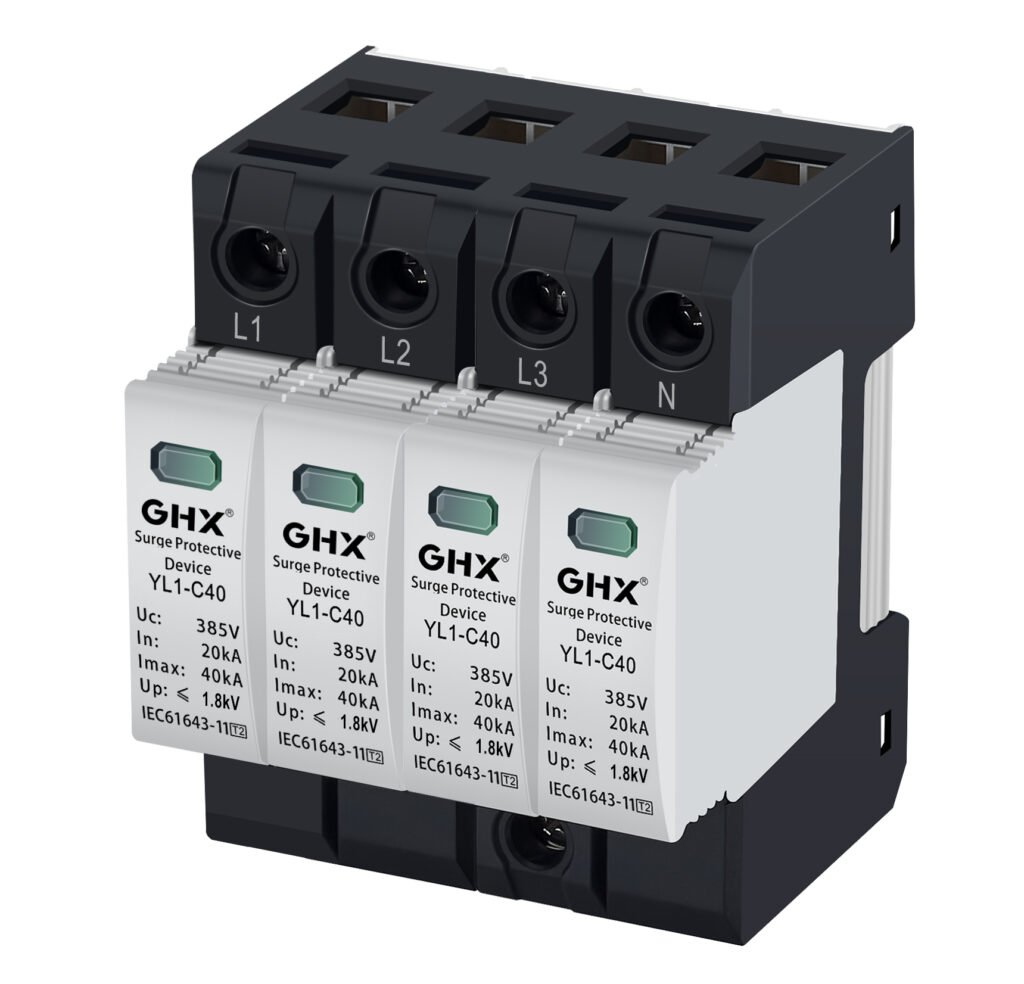
The surge protector is to limit the instantaneous overvoltage that enters the power line and signal transmission line within the voltage range that the equipment or system can withstand, or to discharge the strong lightning current into the ground to protect the protected equipment or system from being impacted. damage. The arrester is an electrical component used to protect various electrical equipment in the power system from damage caused by lightning overvoltage, operating overvoltage, and power frequency transient overvoltage.
In comparison, the difference between surge protectors and arresters is reflected in the following different aspects:
1. Different scope of application
Surge arresters have a wide range and have many voltage levels, generally ranging from 0.4KV low voltage to 500KV ultra-high voltage, while surge protectors generally refer to overvoltage protectors used below 1KV.
2. Different protection objects
The arrester protects electrical equipment, while the surge protector generally protects the secondary signal circuit or the end power supply circuit for electronic instruments and meters.
3. Different installation positions
Lightning arresters are generally installed on primary systems to prevent direct intrusion of lightning waves and protect overhead lines and electrical equipment;
The surge protector is mostly installed on the secondary system, which is a supplementary measure after the arrester has eliminated the direct intrusion of the lightning wave, or when the arrester has not eliminated the lightning wave. Therefore, the arrester is mostly installed at the incoming line, and the surge protector is mostly installed at the end outlet or the signal circuit.
4. Different circulation capacity
Because the main function of the arrester is to prevent lightning overvoltage, its relative current capacity is relatively large; for electronic equipment,
Its insulation level is much lower than that of electrical equipment in the general sense, so a surge protector is required to protect against lightning overvoltage and operating overvoltage, but its current capacity is generally not large.
5, the choice of material differences
The main material of the arrester is mostly zinc oxide (a type of metal oxide varistor), and the main material of the surge protector is different according to the surge level, and the graded protection is different, and the design is much more precise than the ordinary arrester. .
Generally speaking, the arrester is a protection device specially designed for electrical equipment to be protected from lightning shock waves, while the surge protector is a more advanced protection device than the arrester. In addition to the lightning shock wave, it can also greatly weaken the power system itself. other damaging surge shocks. Hangzhou Beam Lightning Protection recommends that when the high-voltage incoming line system of the electricity consumer has installed a surge arrester, a surge protector with more precise protection function should be installed in the low-voltage system.