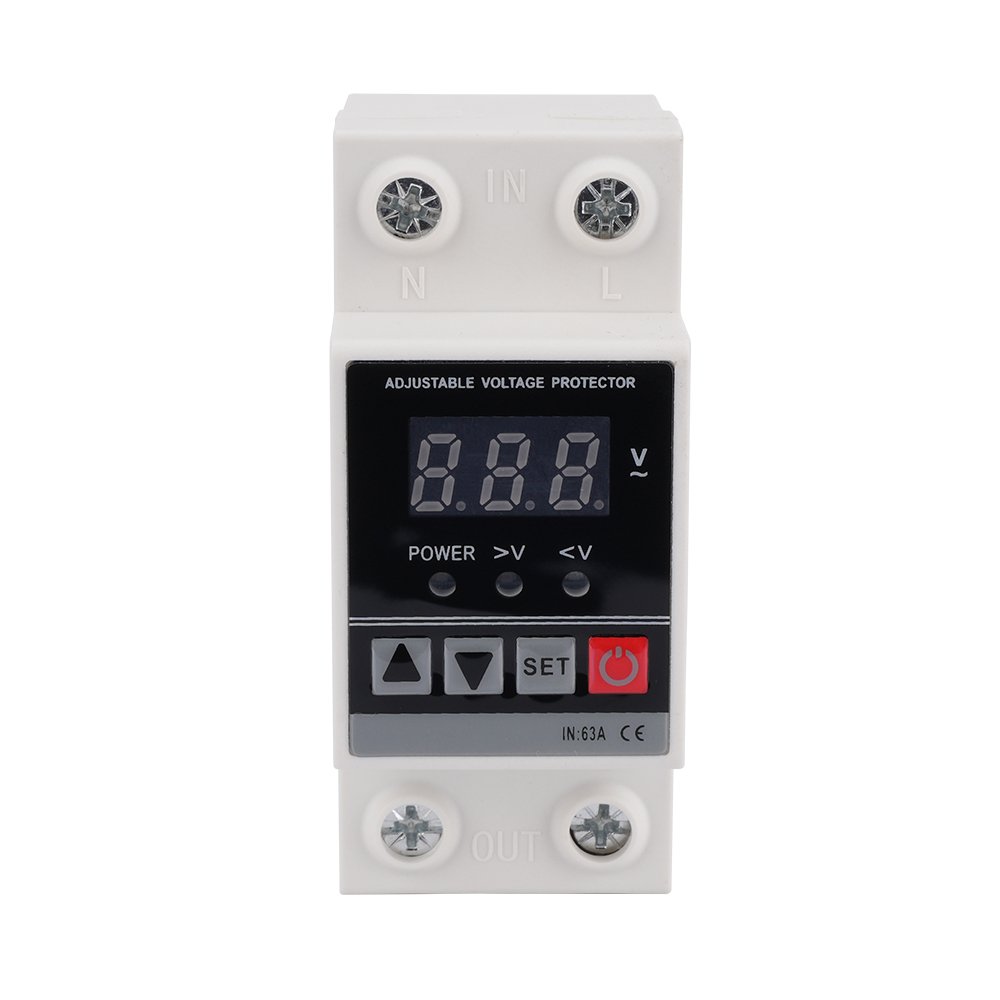
Surge protective devices are crucial components of any electrical installation. They play a vital role in protecting your devices and equipment from voltage spikes and surges. But what are they exactly? In this blog post, we’ll take a closer look at surge protective devices and why they are essential for your home or business.
What are surge protective devices?
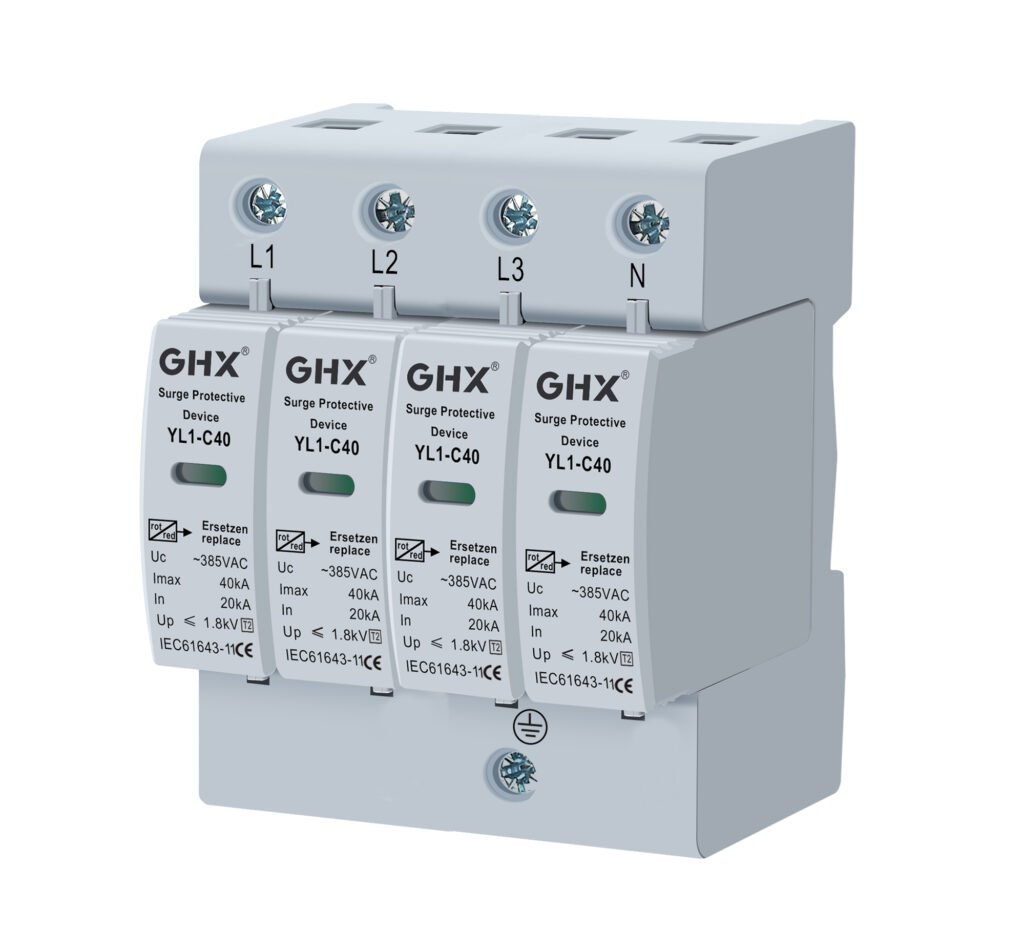
Surge protective devices, also known as SPDs, are devices designed to protect electrical and electronic equipment from voltage surges and spikes. These surges occur when there is a sudden increase in voltage, which can be caused by various factors such as lightning strikes, power outages, short circuits, and more. Surge protective devices divert these excess voltages to the ground, protecting your devices from damage.
Types of Surge protective devices:
There are different types of Surge protective devices available, depending on the application and level of protection required. Here are some of the most common types:
-Type 1 Surge protective devices: These are designed for high exposure applications, such as main switchboards, and provide protection from direct lightning strikes.
– Type 2 Surge protective devices: These are installed at the sub-panel level and protect against induced surges.
– Type 1+ Type 2 Surge protective devices: These are used for the direct lightning protection in power system, can usage in transformer low-voltage side.
Why do you need surge protective devices?
Surges and spikes can cause significant damage to your equipment, leading to costly repairs or replacements. Surge protective devices can help prevent this from happening by diverting the excess voltage away from your devices. In addition, surge protective devices can also protect against fire hazards and increase the lifespan of your equipment.
Installing surge protective devices can also help you avoid downtime or loss of productivity. For businesses, this can be especially critical, as downtime can result in lost revenue and damage to your reputation. Having surge protective devices installed can give you peace of mind, knowing that your equipment is protected and your operations won’t be disrupted.
Surge protective devices may not be the most exciting topic, but they are an essential part of any electrical installation. By installing surge protective devices, you can protect your devices and equipment, avoid costly repairs and replacements, and ensure your business operations run smoothly. If you haven’t already, consider installing surge protective devices in your home or business today.