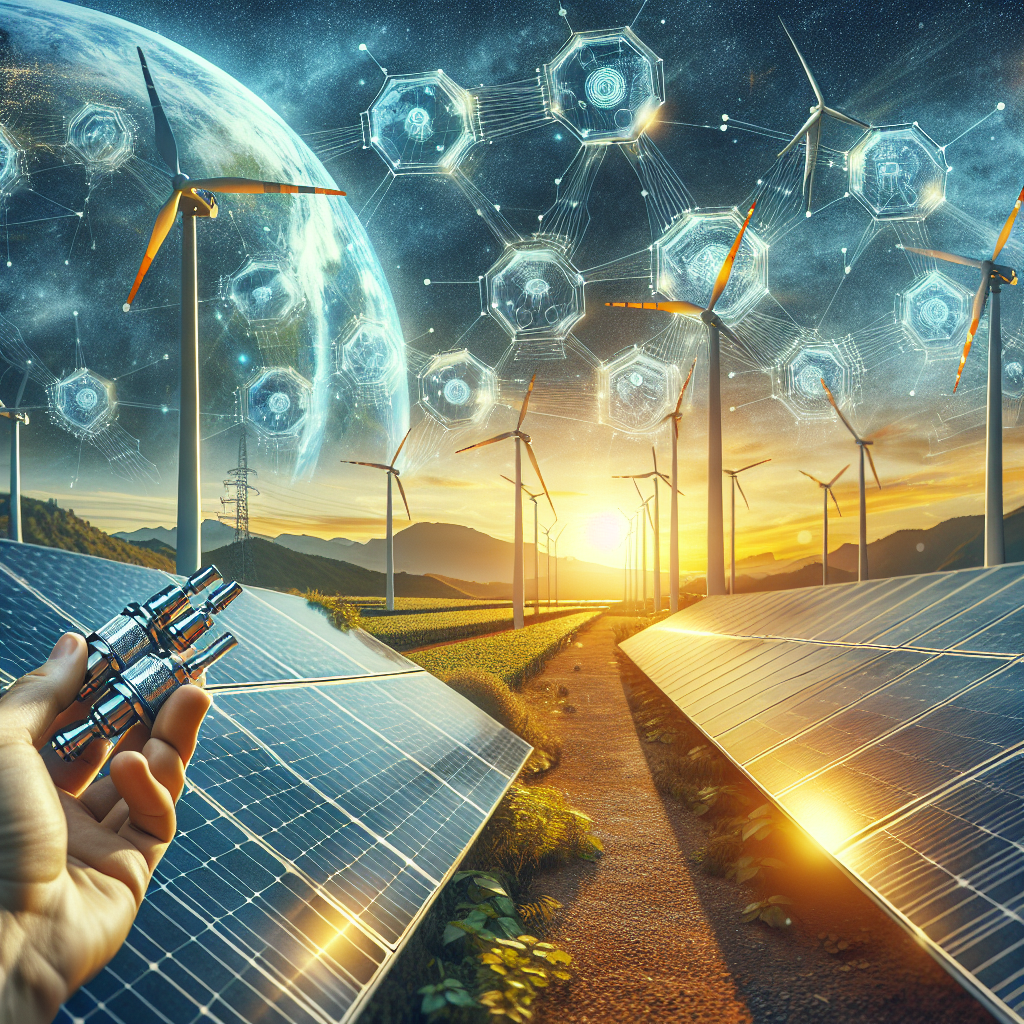
Solar connectors are an essential component of any solar system. They act as the link between solar panels and the inverter which converts the DC electricity into AC electricity.
What happens when solar connectors break?
1. Poor Quality Connectors:
One of the primary reasons for solar connectors to break is the use of low-quality connectors. Usually, installers may use cheap connectors to cut corners on installation costs, compromising the quality of the overall system. These cheap connectors are prone to breaking even with minimal stress and can cause damage to the entire system.
2. Stress:
Stress, particularly from the weight of the solar panels themselves, is another significant factor that can cause solar connectors to break. Sometimes gravity is underestimated when designing installations and the weight of the panels exert too much force on the connectors, causing them to snap.
3. Weather Conditions:
The weather conditions is exposed to have a significant impact on the lifespan of connectors. Extremely high or low temperatures, humidity, rain, and snow can cause damage to the connectors and their insulation, leading to breakages.
4. Rodents:
It may seem unlikely, but rodents are known to cause significant damage to solar systems. Rodents, especially squirrels and rats, can chew through connectors and wiring insulation, leading to wire breaks and short circuits.
5. Installation Errors:
Poor installation techniques, such as improper alignment or incorrect wiring, can also cause solar connectors to break. It is essential to select an experienced technician when installing solar panels to ensure that the system is installed correctly and to minimize the risk of breakages.
In all, the best way to minimize the risk of breakages is to choose high-quality connectors and hire a licensed and experienced technician. Regular maintenance and inspection are also critical to ensuring the longevity of the solar system, including the solar connectors.