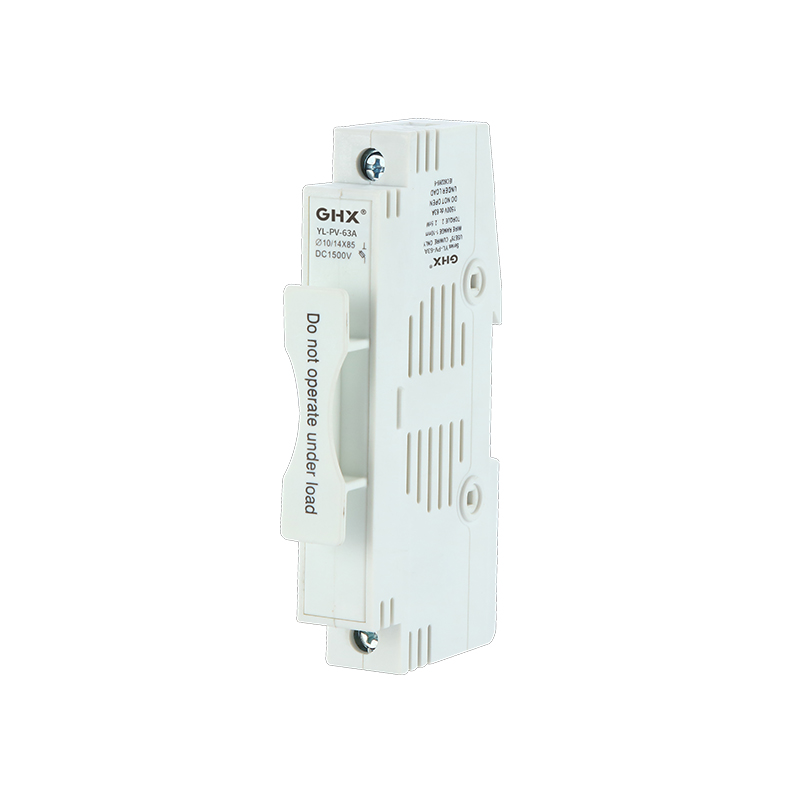
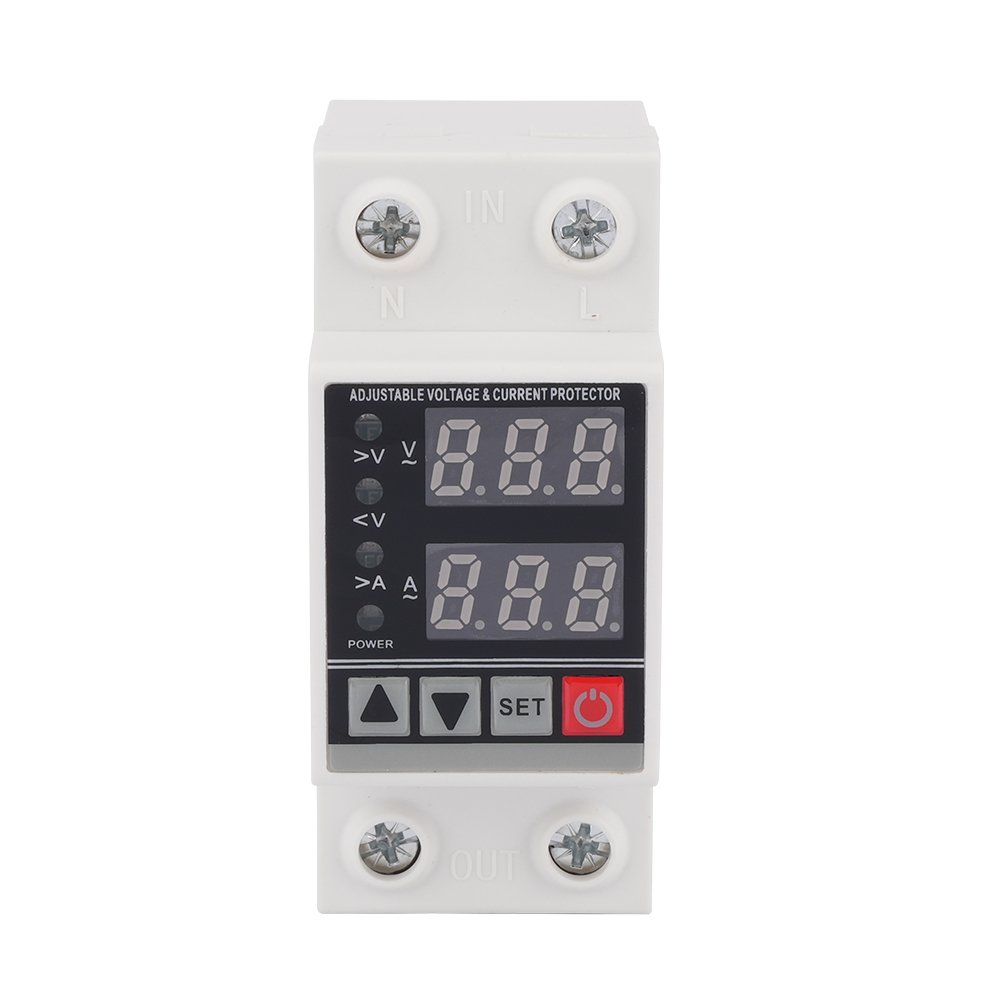
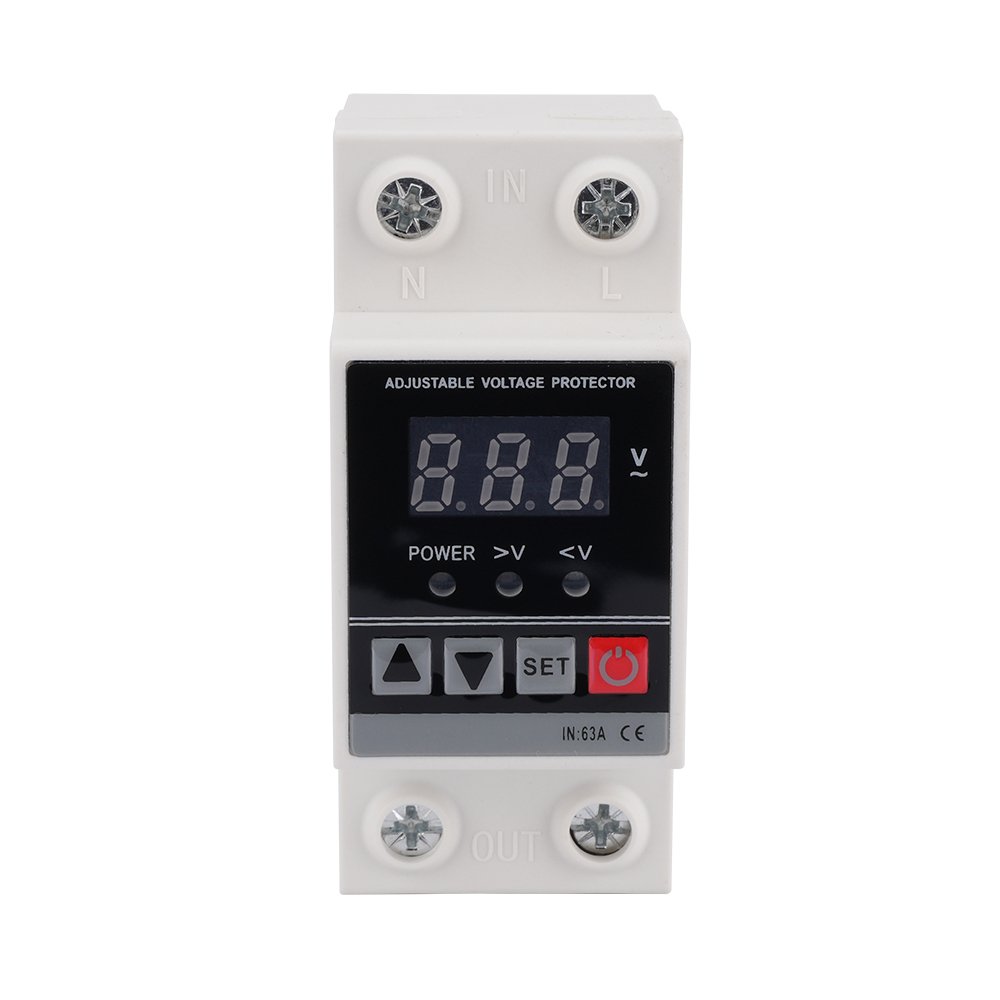
The fusewas invented by Edison more than 100 years ago to protect the expensive incandescent lamp. With the development of The Times, fuses protect electrical equipment from the current overheating injury, avoid electronic equipment due to internal failure caused by serious injury.
When electric current flows through a conductor, the conductor will heat up because there is a certain resistance. The current and resistance determine the rate at which heat is generated, and the construction of the fuse and its installation determine the rate at which heat is consumed. If the rate of heat generation is equal to the rate of heat dissipation, it will not fuse for a long time. If the rate at which heat is produced is greater than the rate at which it is dissipated, more and more heat will be produced. When the temperature rises above the fuse’s solubility the DC fuse is sent off. This is how a DC fuse works.
The general fuse consists of three parts: one is the melt part, which is the core of the fuse. The second is the electrode part, usually there are two, it is an important part of the melt and the circuit connection, and it must have good electrical conductivity. The third part is the bracket. The fuse melt is usually thin and soft, and the function of the bracket is to hold the melt in place and make the three parts into a rigid whole for easy installation and use.
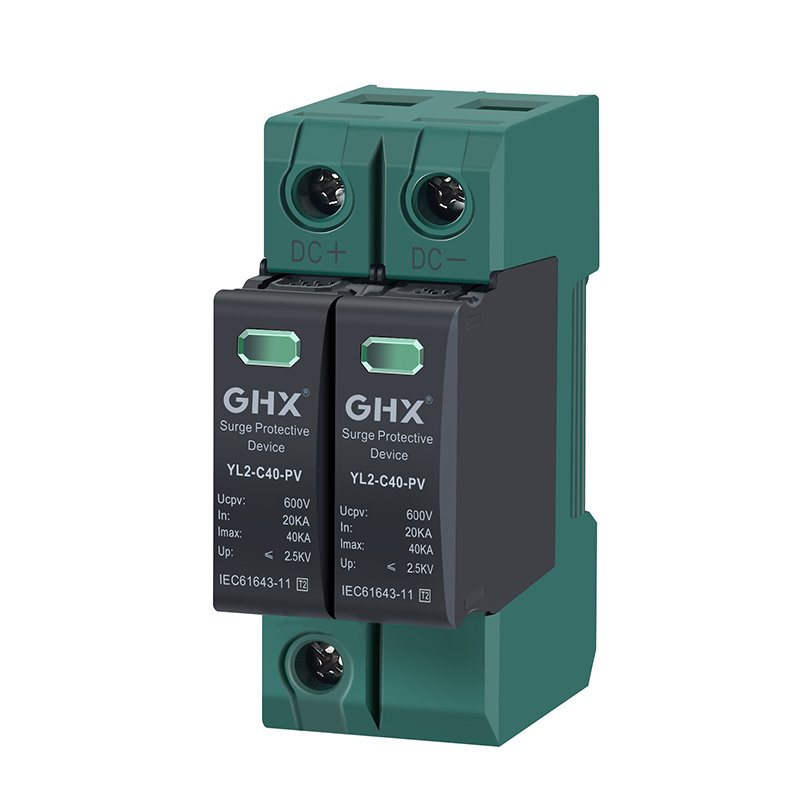
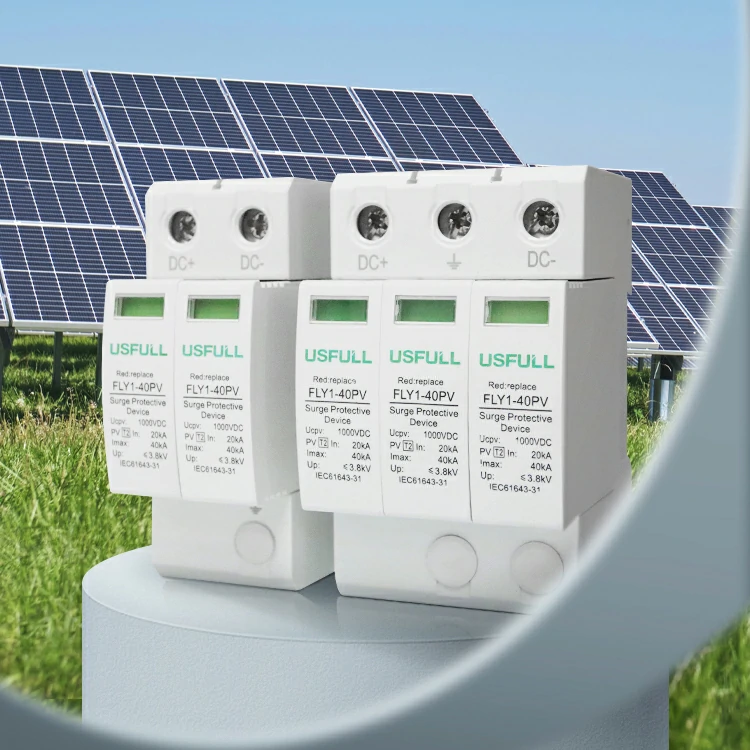
Maximum discharge current Imax The maximum discharge current Imax is defined according to the estimated exposure level relative to the building’s location. The value of the maximum discharge current (Imax) is determined by a risk analysis (see table in Figure 1). Fig. 1 – Recommended maximum discharge current Imax according to the exposure level Exposure […]
DC SPD is cost-effective and provides a solution to improve the system and eliminate any damage caused by surges. It is highly suitable for any facility. It can be used anywhere in the house for protection. These are installed on circuit breakers and automatic transfer switch for portable generator in residential homes and other places […]
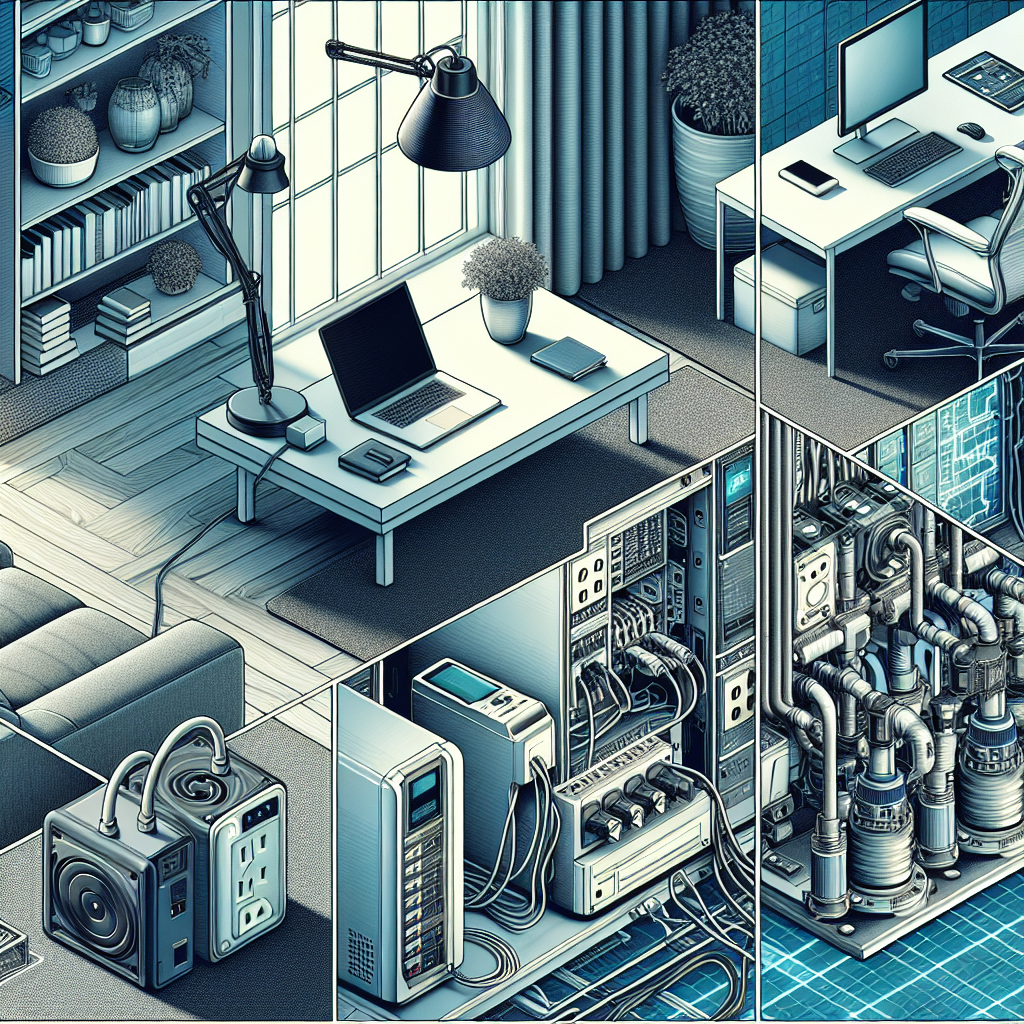
In today’s world, electronic devices are an integral part of our everyday lives, and their importance continues to grow. We use them for work, communication, entertainment, and even education. However, these devices are vulnerable to damage caused by power surges. Surge protective devices (SPDs) have become increasingly important to protect our electronic devices. In this article, we […]
We use cookies to enhance your browsing experience, serve personalised ads or content, and analyse our traffic. By clicking "Accept All", you consent to our use of cookies.