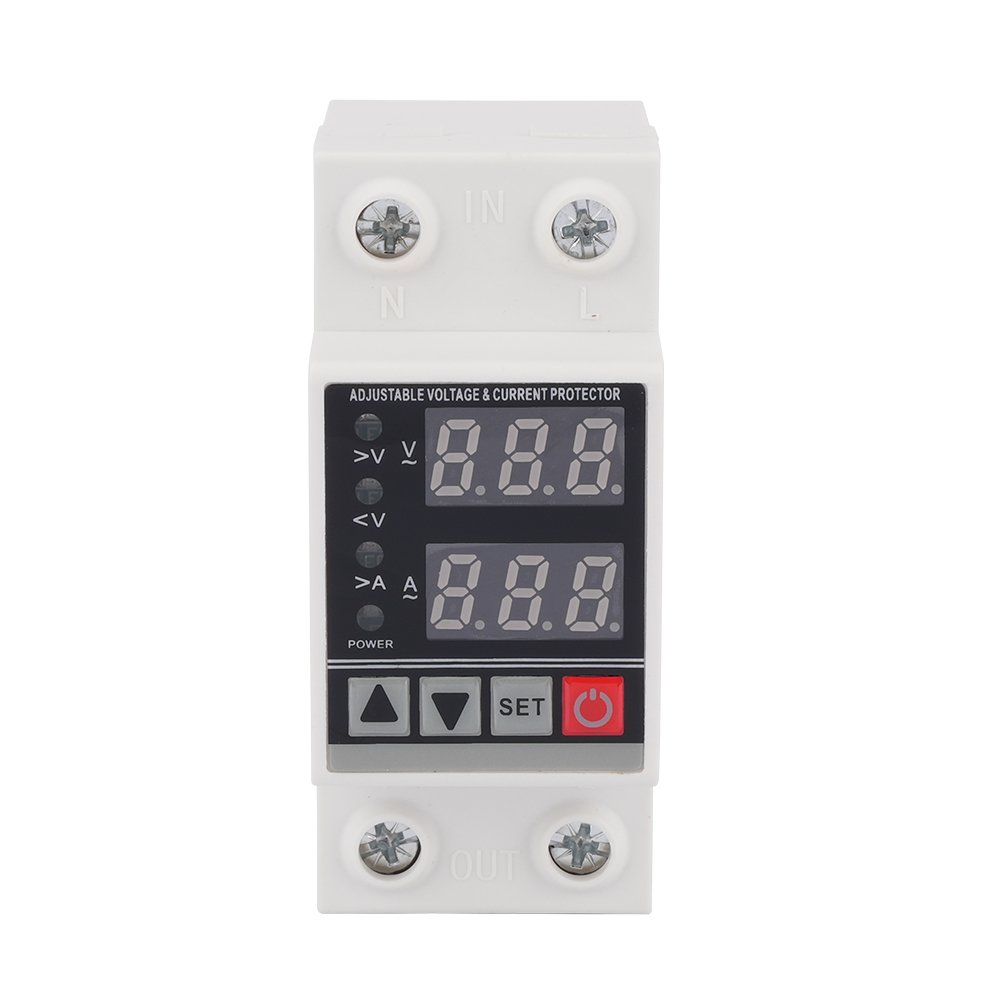
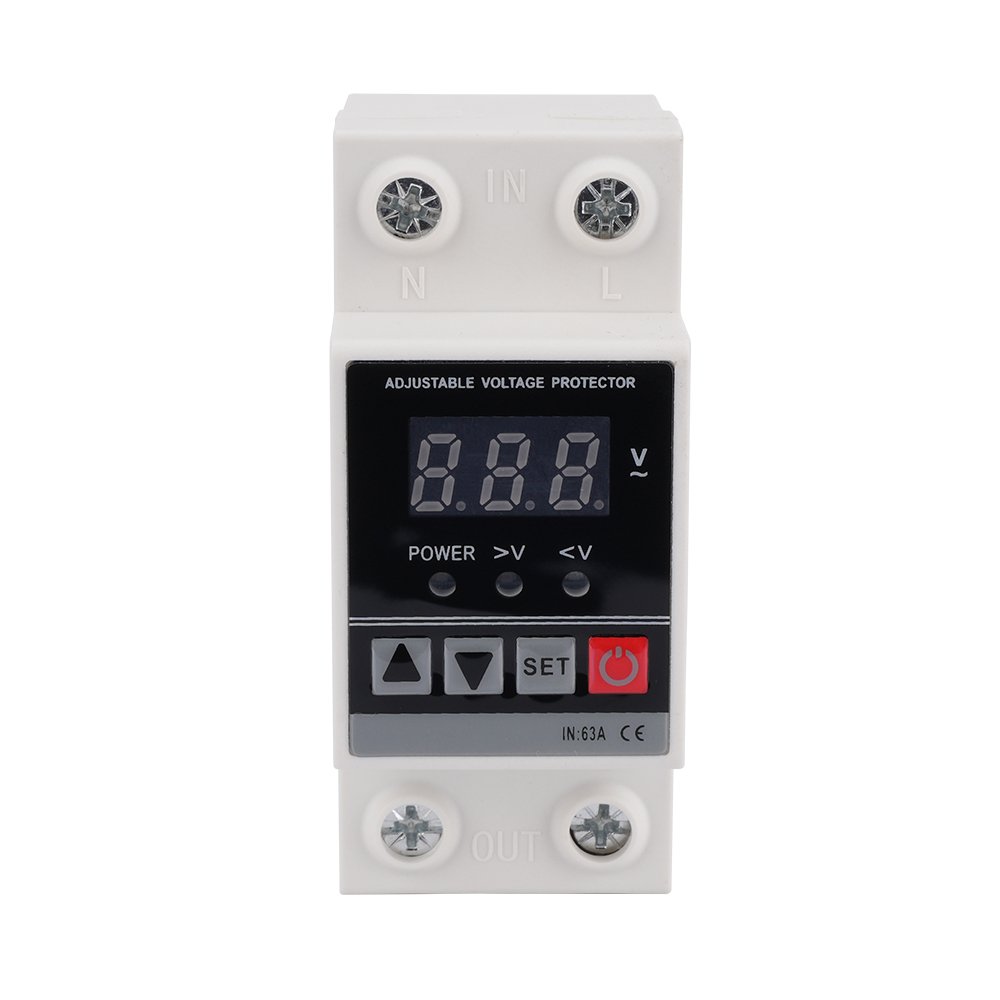
SPDs’ operating characteristics are defined by several technical characteristics. The following are some technical characteristics that should be considered: maximum continuous operating voltage, ac or dc application, nominal discharge current (defined by a magnitude and waveform), voltage-protection level (the terminal voltage that is present when the SPDs are discharging a specific current) and temporary overvoltage (a continuous overvoltage that can be applied for a specific time without damaging the SPDs).
SPDs must be able to change states quickly for the brief time and discharge the transient current without failing. The device must also minimize the voltage drop across the SPDs’ circuit to protect the equipment it is connected to. Finally, SPDs’ function should not interfere with the normal function of the electrical power system.
The SPDs have an integral self-protecting device that disconnects from the circuit when the device fail. To make the disconnection apparent, many SPDs display a flag that indicates their disconnect status. Indicating the SPDs’ status via an integral auxiliary set of contacts is an enhanced feature that can provide a signal to a remote location. Another important product characteristic is the SPDs utilize a finger-safe, removable module that allows a failed module to be easily replaced without tools or the need to de-energize the circuit.
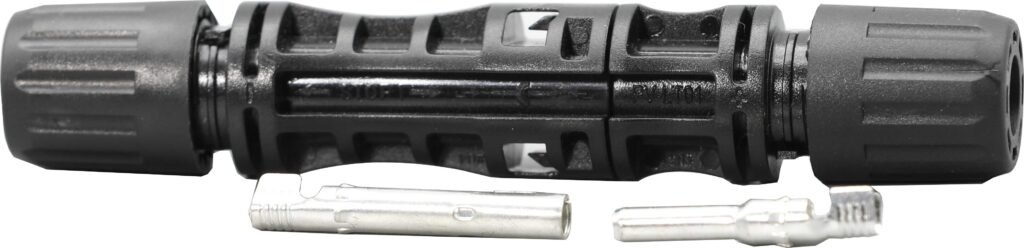
If you’re interested in setting up a solar system, it’s important to understand how to identify the correct type of solar connector. There are four points for you to consider: 1. Types of Solar Connectors There are two types of solar connectors: male and female. Male connectors have pins that go into the socket of […]
Connections of a SPD to the loads should be as short as possible in order to reduce the value of the voltage protection level (installed Up) on the terminals of the protected equipment. The total length of SPD connections to the network and the earth terminal block should not exceed 50 cm. One of the […]
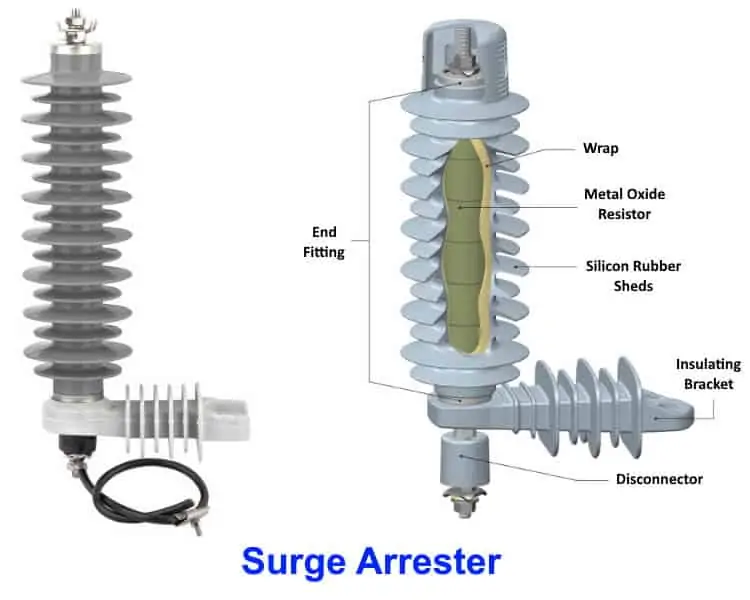
In lightning protection products, surge protectors and arresters are widely used. Both are important components to protect electronic equipment. There are also fundamental differences. Let us first see what these two lightning protection products are. The surge protector is to limit the instantaneous overvoltage that enters the power line and signal transmission line within the voltage range […]
We use cookies to enhance your browsing experience, serve personalised ads or content, and analyse our traffic. By clicking "Accept All", you consent to our use of cookies.