Knowing individual surge components is helpful to understand, but what drives the standards for SPDs are performance aspects or features for each device.
After identifying the power distribution system to which the SPD is to be connected, one should compare different available devices by the following:
1. Maximum Continuous Operating Voltage (MCOV). The MCOV is the maximum voltage the device can withstand and continue to properly operate. Generally, the MCOV should be at least 25% above the nominal supply voltage, but is driven by the relevant standards. For example, GHX SPDs designed for 120 nominal volt devices have an MCOV of 170, and for 240 nominal volt systems the SPD’s MCOV is 275.
2. Voltage Protection Rating (VPR) or Voltage Protection Level (Up). Voltage protection rating and voltage protection level are ratings defined by UL and IEC, respectively, that relate to the let-through voltage of the device. UL 1449 includes a test that applies a 6kV/3kA combination waveform to the device and measures the voltage let through, determining the voltage protection rating (VPR). IEC 61643-11 has a similar test and refers to it as voltage protection level (Up).
3. Nominal Discharge Current (In) Rating. Defined as the peak value of a current that can be conducted through the SPD with a waveshape of 8/20μs where the SPD still functions after 15 applied surges. Per UL 1449, manufacturers must choose a nominal discharge current from a predefined list (3kA, 5kA, 10kA or 20kA) for this test.
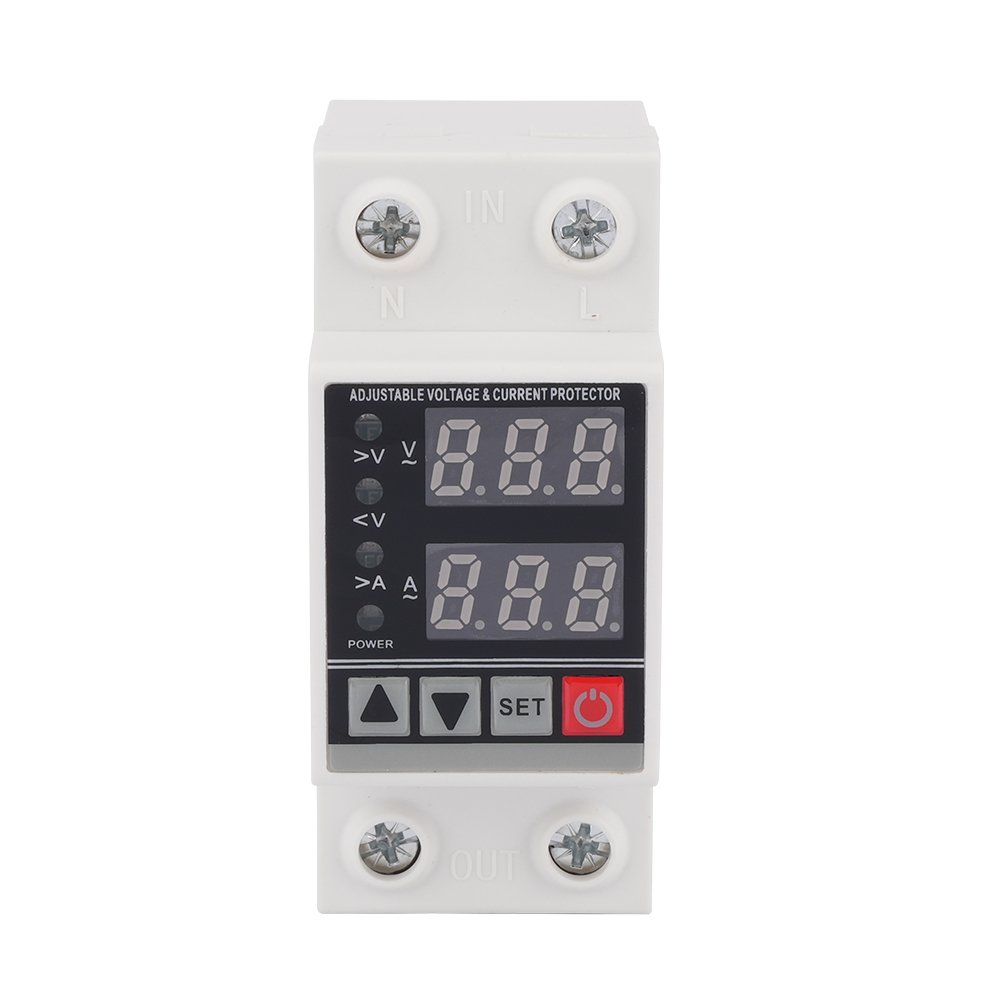
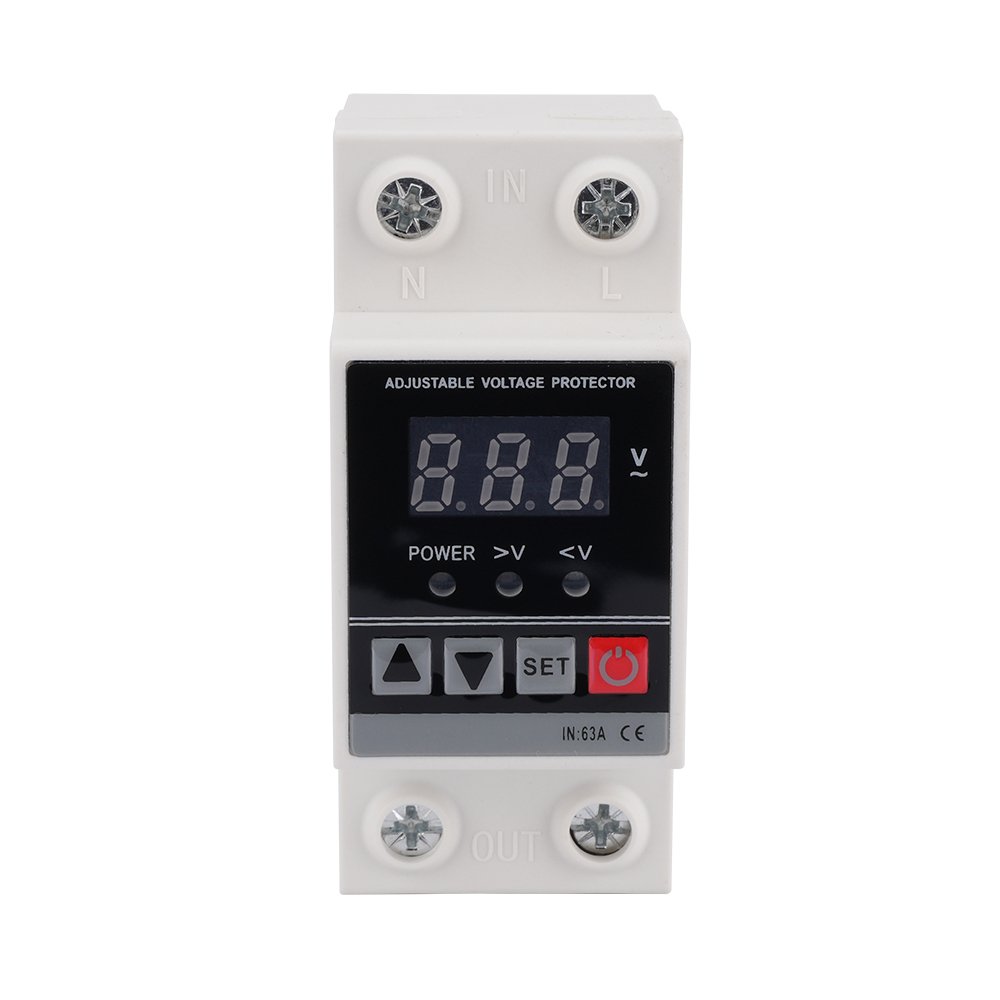
4. Indication Status. The status indicator—which may be a mechanical indicator, LED or remote alarm—provides a simple Go/No-Go indicator.
Surge rating is something many consider a key factor for SPD specification. However:
5. Surge Current Capacity or Maximum Surge Rating. Manufacturers often list these ratings as an indication of either lifetime endurance of the device, or the single one-time maximum surge current that the device can handle. Although these ratings appear on many manufacturer websites and datasheets, UL or IEEE does not define these ratings. This allows each manufacturer to create their own testing requirements (if any) ultimately making them less reliable indicators of performance.
Note: There is an optional Maximum Discharge test defined in IEC 61643-11.
In conclusion, SPDs are made up of various components, each with their own strengths and weaknesses. Industry standards provide the levels of performance a given SPD must meet, and the class or type defines the application for which an SPD is suited.