The system for protecting a building against the effects of lightning must include:
=protection of structures against direct lightning strokes;
=protection of electrical installations against direct and indirect lightning strokes.
The basic principle for protection of an installation against the risk of lightning strikes is to prevent the disturbing energy from reaching sensitive equipment. To achieve this, it is necessary to:
=capture the lightning current and channel it to earth via the most direct path (avoiding the vicinity of sensitive equipment);
=perform equipotential bonding of the installation;
This equipotential bonding is implemented by bonding conductors, supplemented by Surge Protection Devices (SPDs) or spark gaps (e.g., antenna mast spark gap).
=minimize induced and indirect effects by installing SPDs and/or filters.Two protection systems are used to eliminate or limit overvoltages: they are known as the building protection system (for the outside of buildings) and the electrical installation protection system (for the inside of buildings).
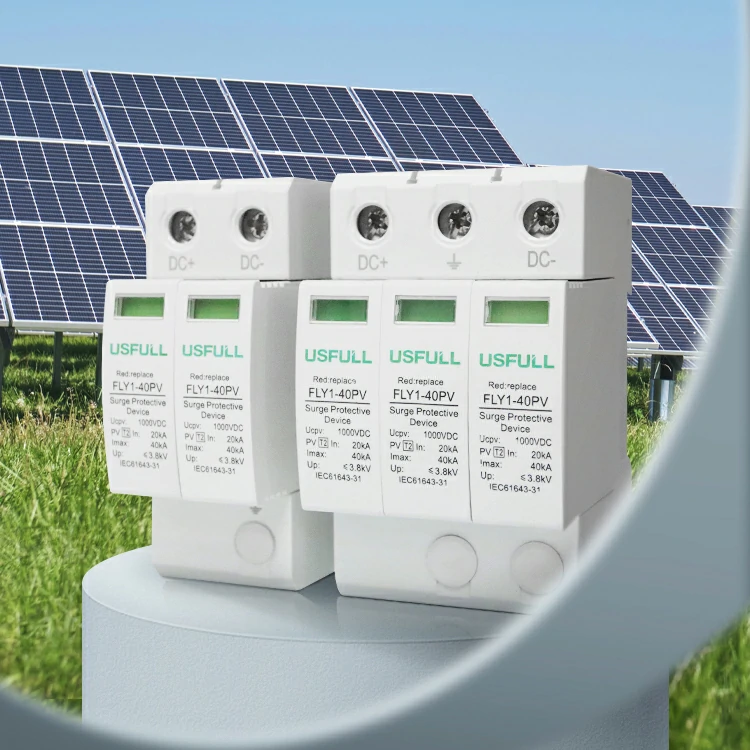
Are you worried about your electronic devices getting fried due to voltage spikes? Well, worry no more! We have the answer for you – the surge protective device. A surge protective device, or SPD, is a device that is designed to protect electrical equipment from voltage spikes or surges. These spikes can be caused by […]
DC SPD is cost-effective and provides a solution to improve the system and eliminate any damage caused by surges. It is highly suitable for any facility. It can be used anywhere in the house for protection. These are installed on circuit breakers and automatic transfer switch for portable generator in residential homes and other places […]
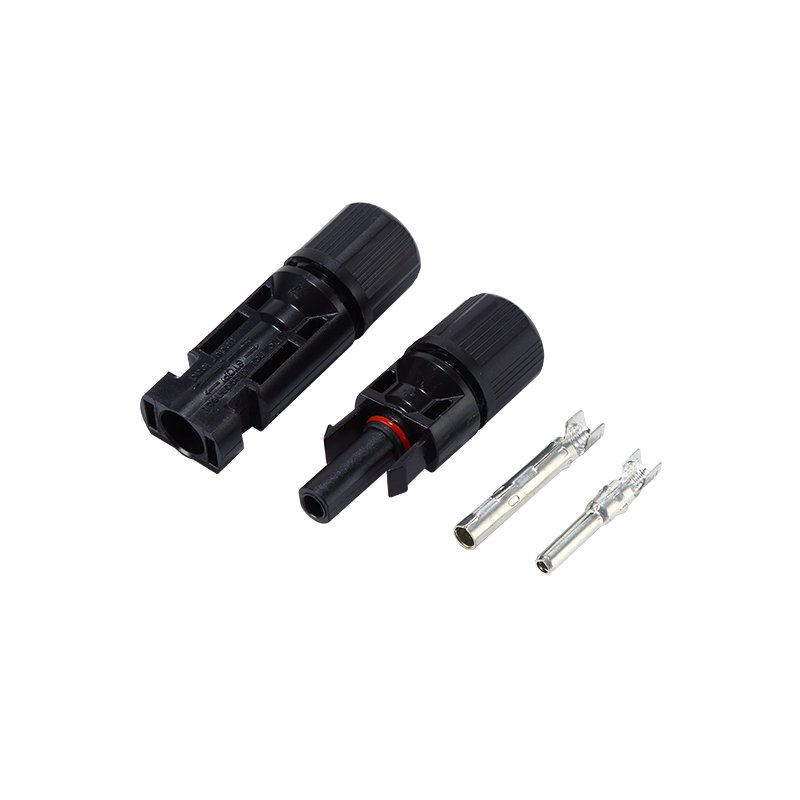
Product Size:For 2.5mm,4mm,6mm cable Product Material:Tinned Copper, PPO MC4 Solar Connector is specialized used in Solar PV system between the solar panel and Inverter or controller box. They’re UV resistance and IP68 waterproof ,can be working outdoor for 25years. Excellent characteristics of MC4 Solar Connector: 1. Compatible MC4 2. Standard thickness 0.4 terminals 3. Simple on-site processing 4. Mating safety […]
We use cookies to enhance your browsing experience, serve personalised ads or content, and analyse our traffic. By clicking "Accept All", you consent to our use of cookies.