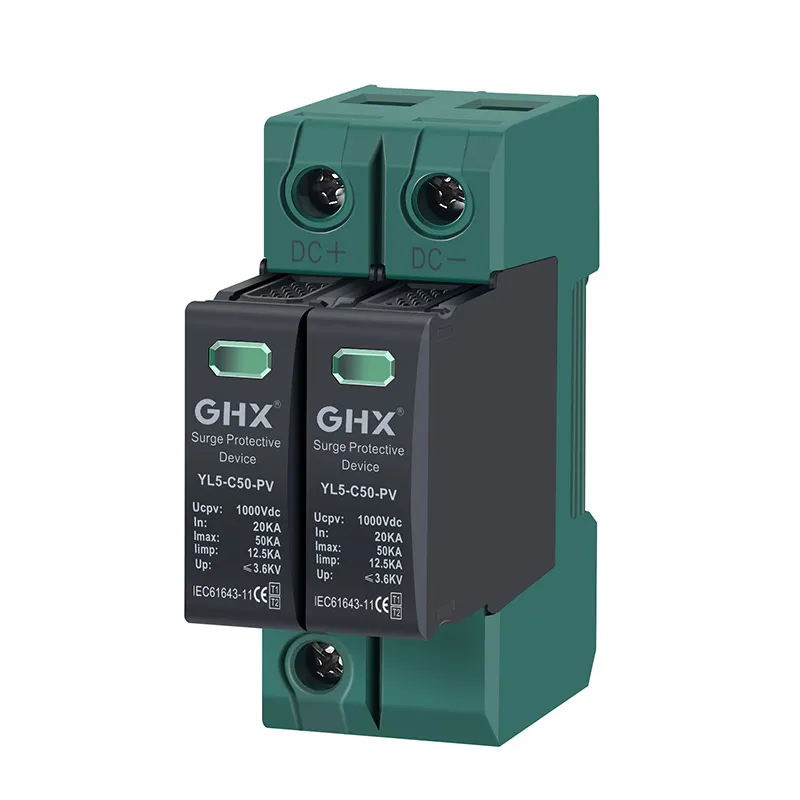
Surge protective devices are common devices that are used to protect electrical and electronic devices from damage caused by power surges. But have you ever wondered how these devices work, and how do they have evolved over time? In this article, we’ll explore the history of surge protective device and how they are designed to protect our electronics.
The early days of surge protection can be traced back to the late 1800s when lightning strikes first posed a threat to electrical systems. In those days, fuses and circuit breakers were used to protect electrical systems from overload and short circuits, but they were not effective against power surges caused by lightning strikes.
It was in the 1930s that the first surge protective device was developed. A device called the ‘lightning arrester’ was invented to protect telephone lines from lightning damage. It was a simple device that consisted of a gas-filled tube that could conduct electricity when a high voltage was applied to it. This invention paved the way for the modern surge protectice device.
Modern surge protective devices work on the same principle as the early lightning arrester. They are designed to shunt high voltage surges away from electronic devices and towards a grounding wire, protecting the devices from damage.
Surge protective devices are designed with several key components, including metal oxide varistors (MOVs), gas discharge tubes (GDTs), and thermal fuses. MOVs are the most common component found in surge protective devices. They are made of a semiconductor material that can conduct electricity when a high voltage is applied to it. When a power surge occurs and the voltage exceeds a certain level, the MOVs conduct electricity away from the protected device and towards the ground wire, preventing the voltage from damaging the device.
GDTs are used in surge protective device to protect against high-voltage surges, and work similarly to MOVs.They contain a gas that ionizes when a high voltage is applied to it, creating a conductive path from the high voltage source to the ground.It protects against lightning and other high-voltage transients.
Thermal fuses are used in surge protective devices to protect against overheating.They are designed to cut off power to the protected device if the surge protective device becomes too hot, preventing damage to the connected device.
In conclusion, surge protective devices have come a long way in the last century, and modern surge protective device are designed with advanced components to protect our electronic devices from damage caused by high-voltage surges. Whether it’s lightning strikes, power outages, or other electrical issues, surge protective devices are an essential tool for protecting our valuable devices from damage.