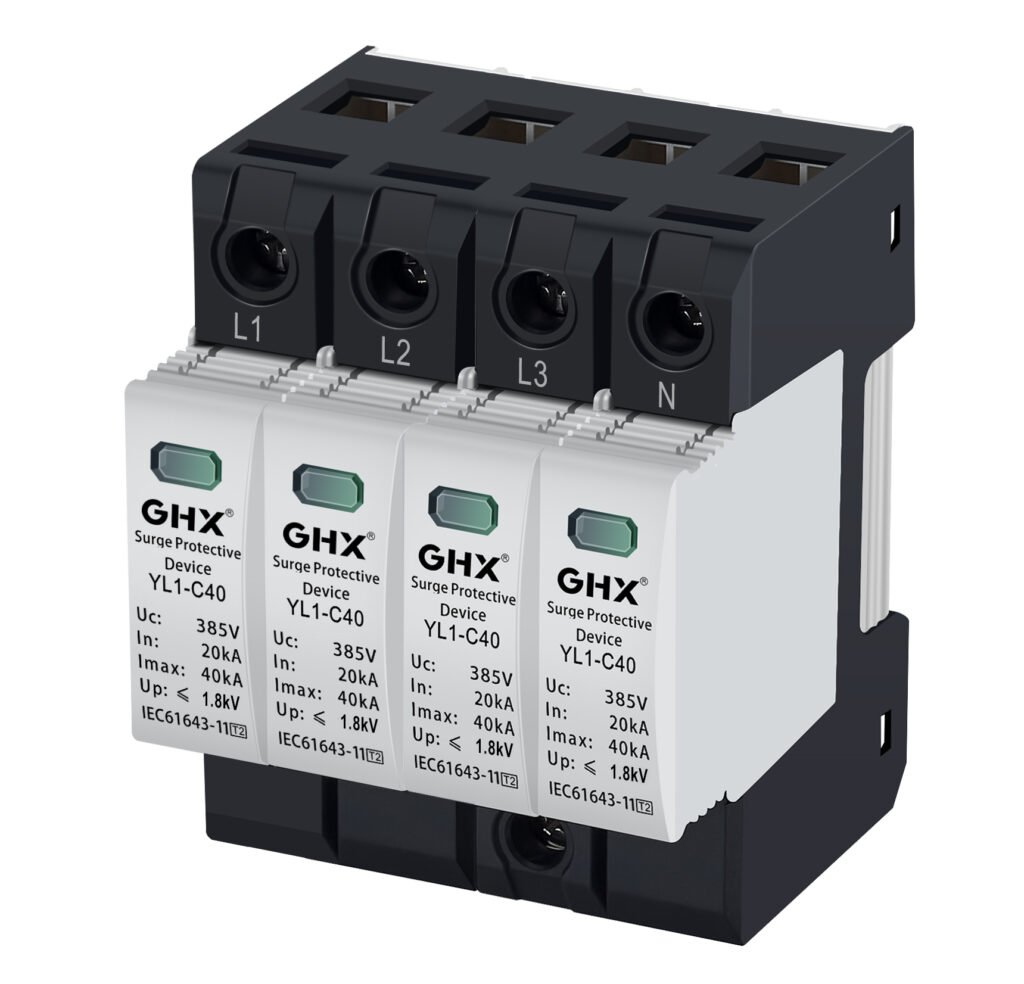
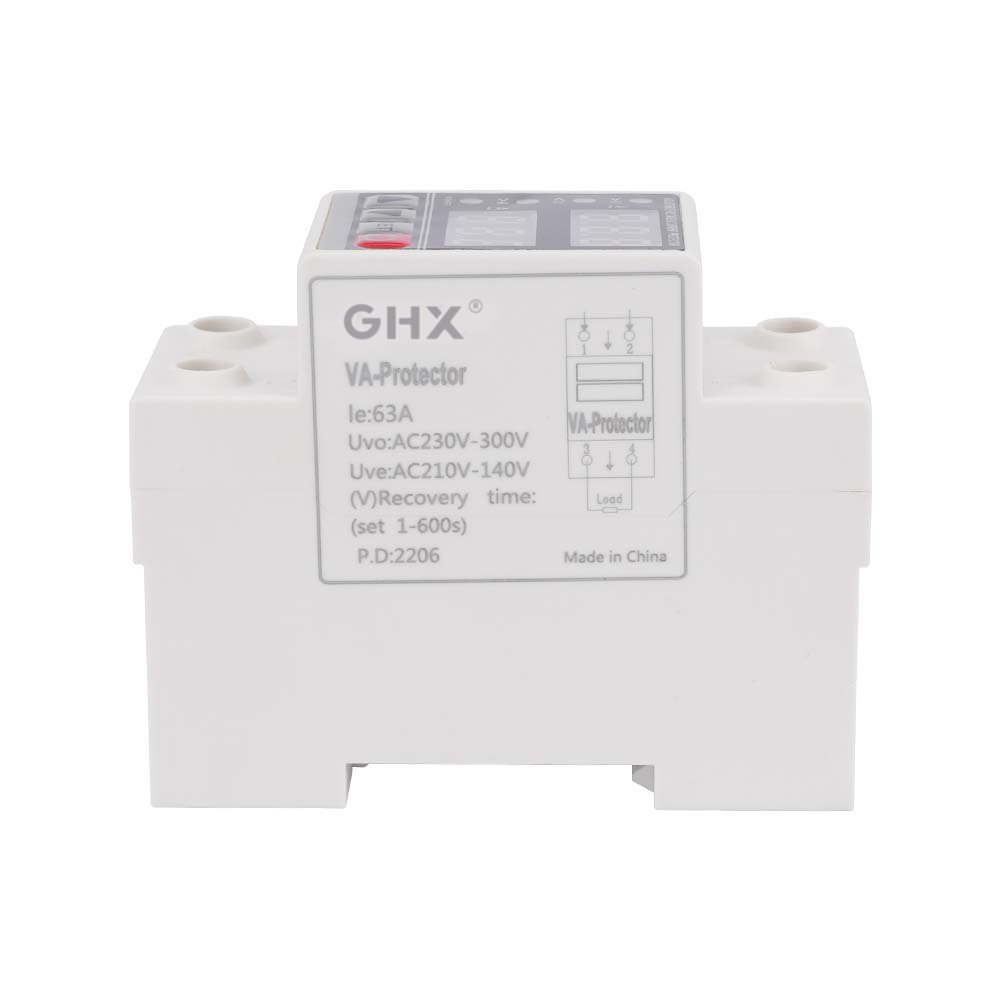
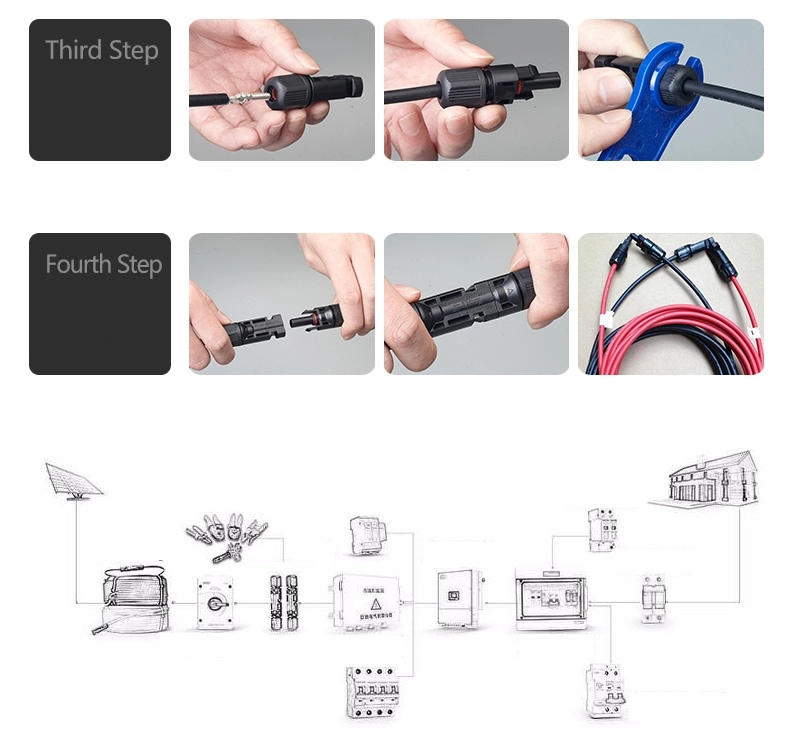
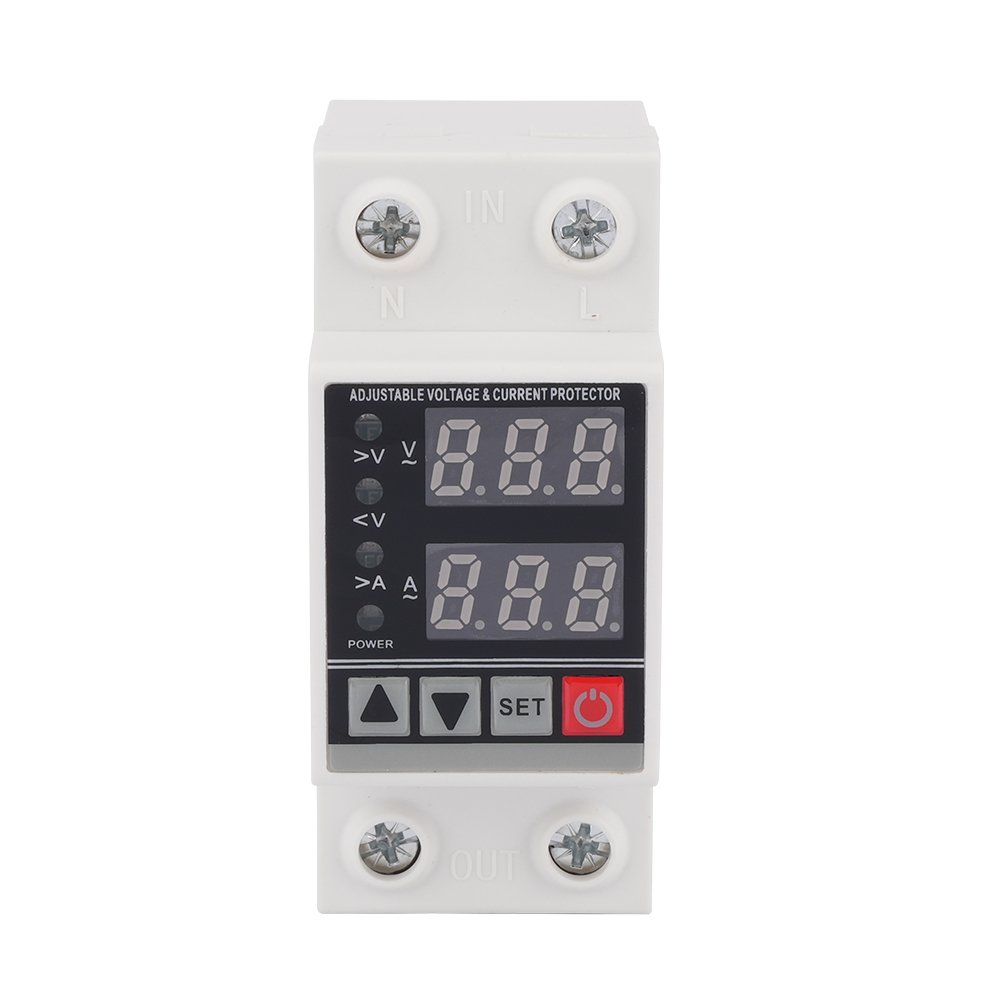
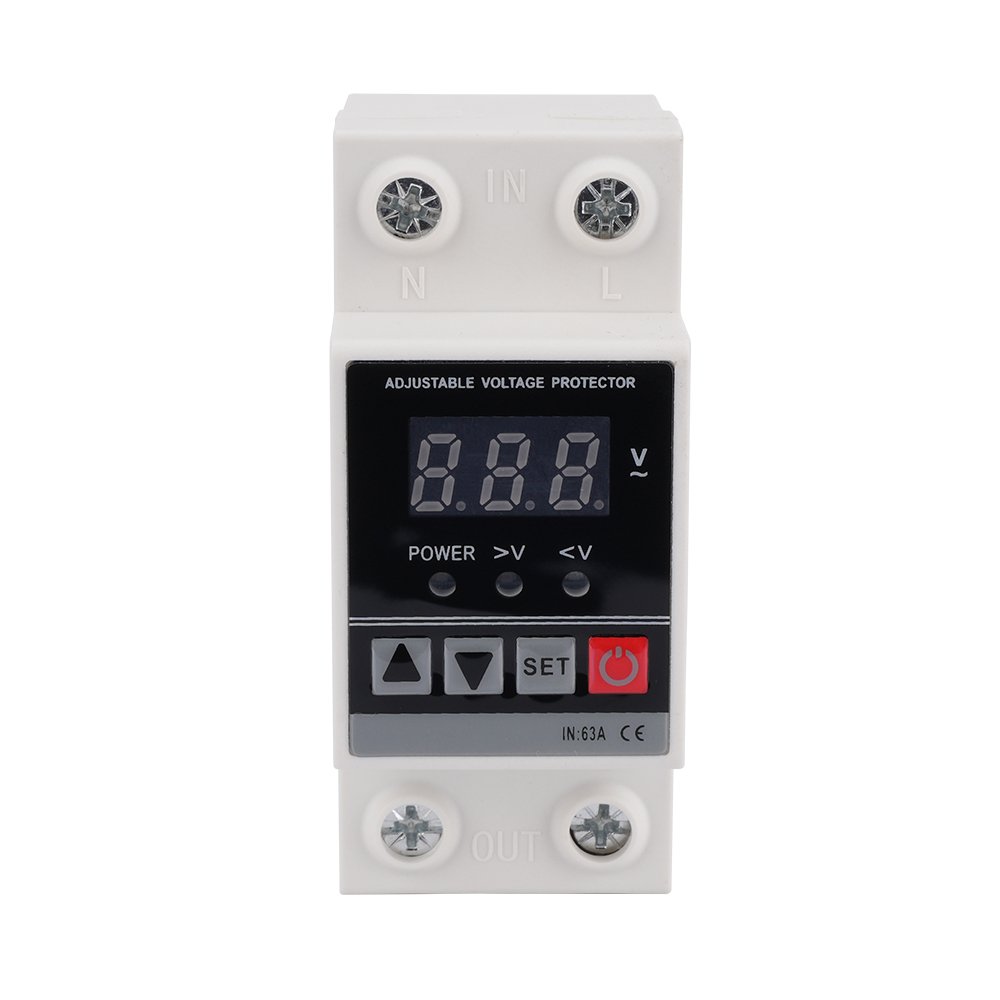
DC SPD applied to the Din rail type protects the DC electric system from surge. Also, the system allows replacement of the protective element (MOV), ensuring convenience and reduced cost. However, as only the protective module is provided, other components should be added when the system is installed in accordance with the site condition.
As we know, surge protective devices (SPDs) play a critical role in protecting electrical systems from power surges and spikes. When the visible windows is turned to be red, it means the surge protective devices (SPDs) are broken. What are the factors that cause surge protective device (SPD) to break? 1. Overvoltage Conditions Surge protective […]
AC Surge Protective Device is an indispensable device for lightning protection of electronic equipment. Its main function is to limit the transient overvoltage that penetrates into power lines and signal transmission lines to the voltage range that the equipment or system can withstand, or to release strong lightning current to the ground, thereby protecting the protected […]
We use cookies to enhance your browsing experience, serve personalised ads or content, and analyse our traffic. By clicking "Accept All", you consent to our use of cookies.