The Factors That Cause Surge Protective Devices to Break
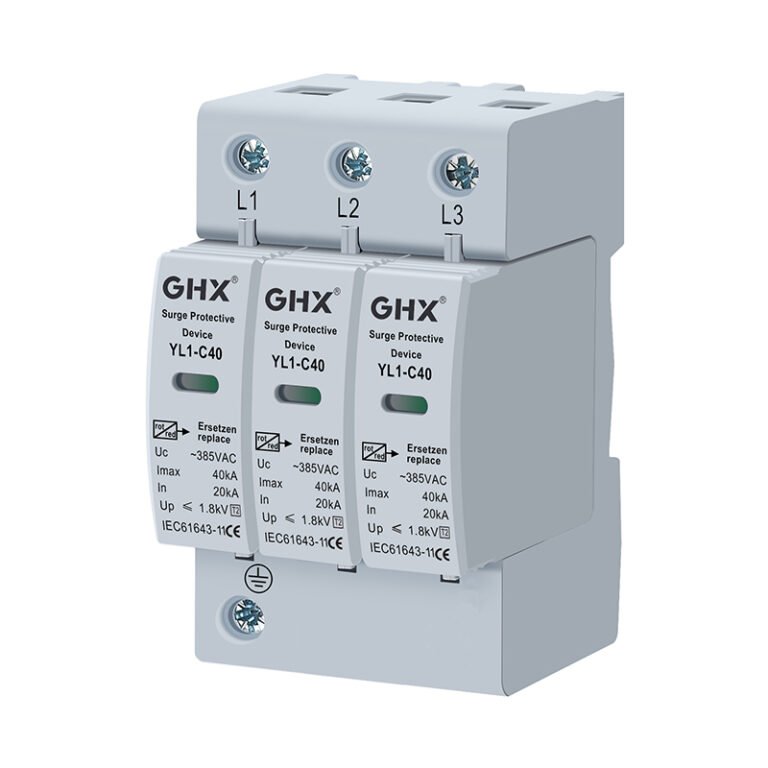
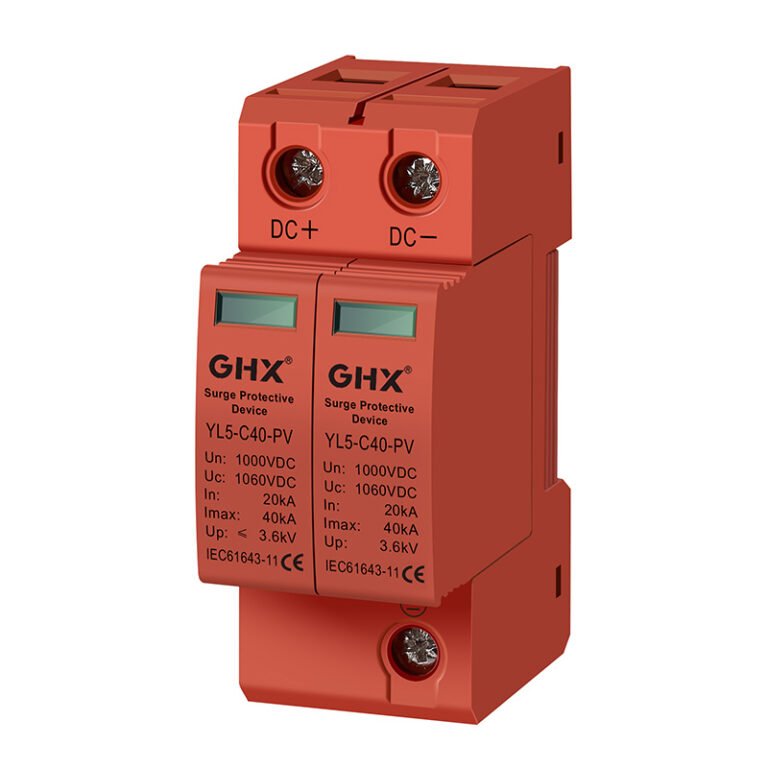
As we know, surge protective devices (SPDs) play a critical role in protecting electrical systems from power surges and spikes. When the visible windows is turned to be red, it means the surge protective devices (SPDs) are broken.
What are the factors that cause surge protective device (SPD) to break?
1. Overvoltage Conditions
Surge protective devices (SPDs) are designed to operate within certain voltage limits, and when these limits are exceeded, the device can fail. Overvoltage conditions can be caused by severe weather conditions, lightning, or utility switching. When the voltage exceeds the device’s rated value, the surge protective devices (SPDs) will fail.
2. Burn-in of Surge Protective Devices (SPDs)
Surge protective devices (SPDs) can degrade over time due to the exposure to the elements, humidity, and temperature changes. Because of the surge protective devices’ (SPDs’) burn-in, the protection level decreases, which can result in the device’s failure.
3. Installation Location
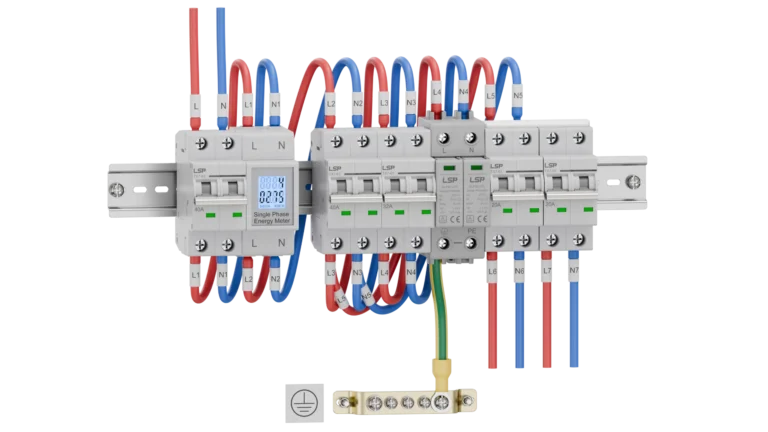
Surge protective devices (SPDs) are usually installed at the service entrance of the building or electrical panel, but their location can affect their lifespan. If the surge protective devices (SPDs) are installed in a location with high moisture or humidity levels, it can corrode and lead to the failure of the device. Installations in high-temperature areas can cause the device to overheat, resulting in damage.
4. Quality of Surge Protective Devices (SPDs)
Poor quality surge protective devices (SPDs) are often made from subpar materials that cannot handle the electrical load, resulting in damage or failure.
5. Improper Maintenance and Regular Testing
Improper maintenance and regular testing of surge protective devices (SPDs) can also lead to their failure. Failure to perform regular maintenance and testing can lead to the device’s failure, leaving the electrical system unprotected.